In partnership with

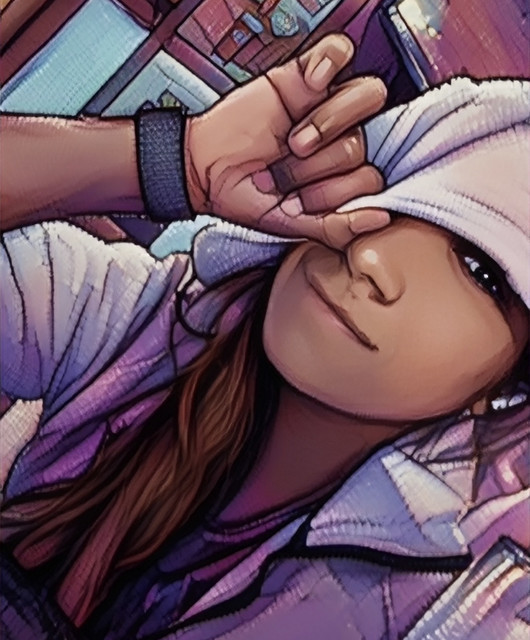
🎨 Why does your AI art look “perfect”… but feel empty?
Perfection is a mannequin. You want your art to have a heartbeat.
AI can nail lighting, faces, symmetry.
But “perfect” rarely hits people in the chest.
Human art has fingerprints.

Humanizing AI art is emotional engineering
Most AI art fails for one reason: it’s visually impressive but emotionally unavailable.
So you fix it the same way filmmakers do:
imperfection + memory + symbolism + mood + mystery.
Let’s break it down 👇🏽
Check out what my sponsors are offering for you today: WALL STREET PREP
There’s more to AI than ChatGPT.

If you’re only using AI to rewrite emails, you’re doing it wrong.
The AI for Business & Finance Certificate from Columbia Business School Exec Ed breaks down how to use AI to make faster, more strategic decisions at work.
Save $300 with code SAVE300 + $200 with early enrollment by Feb. 17.
⚙️ System breakdown
➙ 1) Embed imperfection (on purpose)
Add asymmetry, subtle blur, grain, uneven strokes, tiny texture warps. Flaws = soul.
➙ 2) Use your memories as the “dataset”
Base the scene on a real moment, a dream, an obsession. Add personal symbols (coffee cup, ocean drive, cat, whatever is yours).
➙ 3) Go hybrid: mix something real into it
Layer scanned doodles/brush strokes, a photo texture (sky, wall, fabric), or your handwriting marks. AI renders. You add depth.
➙ 4) Speak through symbolism
Mirrors, cracked glass hearts, smoke-made girls holding the past… metaphors bypass logic and target emotion.
➙ 5) Control mood with color like a weapon
Warm = nostalgia/safety.
Cool = distance/mystery.
Vibrant = joy.
Blues = melancholy.
Contrast tells a story.
➙ 6) Leave space for interpretation
Negative space. Obscured face. Subtle clues. Mystery is magnetic.
➙ 7) Add a micro-storyline
Give the image a before/after tension:
What just happened?
What’s about to happen?
What is the character portraying but not showing?
➙ 8) Make hands do something specific
Hands carry emotion better than facial perfection: gripping fabric, hovering over a doorknob, holding a cracked photo, wiping rain off glass.
➙ 9) Inject “human camera” language
Even for stills:
“soft focus,”
“slight motion blur,”
“low light noise,”
“shallow depth of field,”
“lens flare,”
“vignette,”
“imperfect framing.”
☑ Copy–paste prompt template
Create an emotionally human AI artwork featuring [SUBJECT: age, vibe, defining features, what they’re wearing].

Scene: [LOCATION] during [TIME/WEATHER]. The environment should show lived-in details: [3 specific props/textures].

Emotion: The image should evoke [FEELING] through body language: [hands/pose], micro-expression: [subtle cue], and atmosphere: [fog/rain/dust/light].

Symbolism: Include [1–2 symbols] that represent [meaning], placed [where in frame].

Imperfection layer: subtle asymmetry, gentle film grain, slight motion blur, uneven brush texture, tiny flaws that feel real.

Color mood: [warm/cool/contrast], with [2–3 colors] guiding the emotional tone.

Composition: [close-up / mid / wide], [camera angle], negative space on [left/right] to create mystery.
Leave the story implied, not explained.
Why this works
Because it stops treating AI like a “make pretty picture” machine and starts treating it like a director of emotion and symbolism.
Imperfections signal humanity.
Memories create meaning.
Symbolism creates depth.
Mood colors steer feeling.
And mystery forces the viewer to participate so the art doesn’t just get seen, it gets felt.
Reply with one AI image that looks cool but feels dead and tell me what emotion you wanted. I’ll help you re-prompt it.
SEE YOU ON THE NEXT ONE
🦋
✍🏽 Life update:
I’ve been writing songs
I write content and newsletters for a living. Sometimes the raw, unfiltered feelings turn poetic and then I turn them into lyrics and then to songs using Suno AI.
I hope you can listen and follow me on Spotify: